
Quick answer
The scams aimed at people cashing out crypto are fake P2P buyers whose payment never lands or gets reversed, overpayment refund tricks, fake support agents, lookalike cashout and investment sites, demands to pay through a crypto ATM, and fake recovery services after a loss. They share one tell: someone else starts the contact and wants your crypto, a secret or a fee before real money shows up in an account you opened yourself.
That waiting is what the tricks below exploit. The wider safety picture lives in is cashing out crypto safe?; this page takes the scams apart one by one.
For each one you get the setup, the tell that gives it away and the move that beats it, with the FBI's 2025 complaint numbers next to it.
Already lost money? Jump to the last chapter. It covers the first 24 hours, where to report and the second scam that usually follows.
Which scams target people cashing out crypto?
Six patterns cause most of the damage around a cashout. Two hit sellers directly, two catch people mid-order, and two arrive before or after the sale.
| Scam | Where it starts | The tell |
|---|---|---|
| Fake P2P buyer | A trade on a marketplace or in a chat group | "Proof" of payment that isn't in your own account, or money from a name that isn't the buyer's |
| Overpayment refund | A buyer who "accidentally" pays too much | A request to send the difference back before the payment has fully cleared |
| Fake support | A reply to your public question, or a search result | A helper who writes first and wants a secret, a screen share or a fee |
| Lookalike site or fake platform | An ad, a link or a new online friend | A domain one letter off, or a fee you must pay to withdraw |
| Crypto ATM demand | A call, text or pop-up from an "official" | Being told to turn cash into crypto at a kiosk to settle a debt or protect your money |
| Fake recovery | A message after you've posted about a loss | A promise to get the coins back once you pay upfront |
Each row has its own chapter below, in this order.
2025 FBI complaints with a crypto link, for the scams on this page
How do fake buyers cheat you in a P2P sale?
In a peer-to-peer sale, you hand over crypto and a stranger pays you by bank transfer, PayPal or an app. Your side can't be undone. Theirs often can, and that gap is the whole scam.
Binance's own P2P team lists the main versions. Three matter most to sellers:
An edited screenshot, a forged "payment sent" email or a fake bank text, then pressure to release the coins now.
The buyer pays from someone else's account, or by a method that allows a dispute, then pulls the money back after you release.
A fake trader gets you to share bank details with a real buyer, so that buyer's money ends up with the scammer.
- Step 1Day 1: the trade looks fine
Money arrives from an unfamiliar name. You release the USDT.
- Step 2Days later: the dispute
The real account owner tells their bank the transfer wasn't theirs.
- Step 3The clawback
The bank takes the money back. Your account may be frozen while it checks.
- Step 4The result
The coins are gone for good, and so is the money that paid for them.

PayPalnow
Payment of $1,000.00 pendingFunds will be released once the seller sends the crypto.Release crypto in a P2P trade only when
- You opened your bank or payment app yourself, not from a link the buyer sent.
- The money shows as received in your balance, not pending or on hold.
- The sender's name matches the buyer's verified name on the platform.
- Every message stayed inside the platform's own chat.
- Nobody is hurrying you, and nobody asked you to change the payment details mid-trade.
A payout service turns the direction around. You send crypto to an order, and the company named on that order pays you, so there's no stranger on the other end with a payment of their own to dispute. Our cashout guide compares the routes side by side.
What is an overpayment scam, and why does the refund cost you twice?
An overpayment scammer pays you more than the agreed price, then asks for the extra back. The original payment later bounces or reverses, and you've lost the coins plus the "refund".
It works because money can show in your account before it has really cleared. The FTC warns that "it can take weeks" for a bank to discover a bad check, and by then you're the one who owes it.
Example: A $1,000 USDT sale that ends $1,500 down
A made-up example to show the arithmetic. The reversed payment can also be a bounced check or a disputed card payment.
- Day 0The overpayment
A friendly apology for the "typo" and a request to send the difference back.
- Day 0 to 1The urgency
They need it today, often in crypto or gift cards, to a different person.
- Weeks 1 to 3The reversal
The original payment fails or is disputed. Your bank takes it back.
How do fake support agents get into your wallet?
Fake support desks wait for the moment you need help, such as an order that seems slow. They write first, sound helpful and ask for exactly the thing that empties your wallet.
| What the fake agent asks for | What it really gives them | What real support does |
|---|---|---|
| Your seed phrase, to "verify" or "sync" the wallet | Every coin in that wallet, from any device | Never asks for it |
| A screen share or a remote-access app | A view of your codes, keys and balances | Never asks for it |
| A "validation" link to connect your wallet | A signature that can approve transfers out | Doesn't send wallet-connect links |
| A fee or a second deposit to release an order | Your money, with nothing released | Never charges to fix an order |
| Your order reference | Little on its own | Asks for it, in a chat you opened |
If a request sits in one of the first four rows, the person asking is not support.
Real support
- You open the chat from the company's own website
- Asks for your order reference and transaction ID
- Points you to your own order page for the status
- Never asks for more crypto to fix anything
Fake support
- Messages you minutes after you post a question
- Uses a copied logo on a brand-new account
- Wants a seed phrase, a screen share or a wallet link
- Says your money is "frozen" until you pay
Zilligo's support is on Telegram, reached from our contact page. Support never writes to you first. Zilligo support never asks for your seed phrase, your wallet or exchange passwords, your 4-word sign-in key, your recovery code or a look at your screen.
How do you spot a fake cashout site or trading platform?
A fake site either copies a real cashout service to catch your deposit, or shows invented profits to draw in more. Read the address bar, and treat any fee to withdraw as proof of fraud.
The real address
- zilligo.com
- Typed in yourself or opened from a bookmark
- Identical on every visit
Made-up lookalikes
- zi1ligo.com (the letter l swapped for the number 1)
- zilllgo.com (an extra letter)
- zilligo-payout.net (a word added, a new ending)
- Reached from a sponsored result or a message
Fake trading platforms are bigger and slower. Investment fraud was the largest crypto-linked crime type in the FBI's 2025 data, and its end stage nearly always looks the same:
- Weeks 1 to 4A friend, not a pitch
A wrong-number text or a dating match turns into daily chats.
- Month 2The platform
They share a site or app where your deposit seems to grow fast.
- Month 3Bigger deposits
A small withdrawal may even work, to build trust.
- The endA fee to withdraw
A "tax", "unlock fee" or "verification deposit" appears. Paying it leads to the next one.
Why do scammers send people to crypto ATMs?
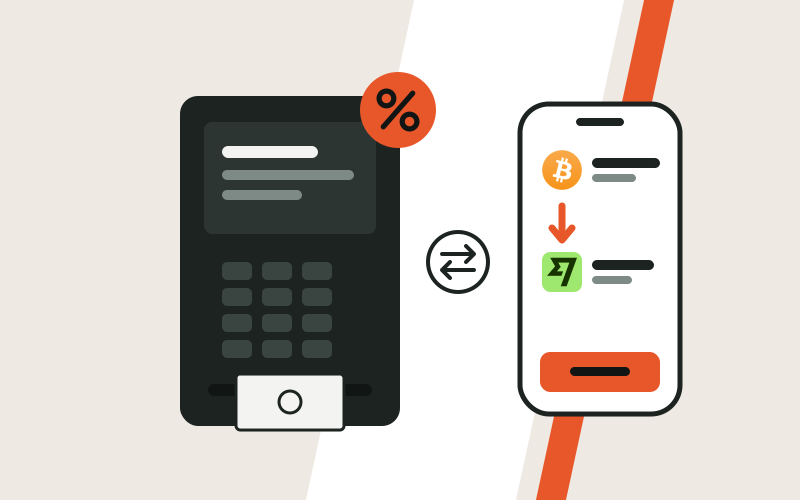
A crypto ATM turns cash into crypto in a few minutes and sends it wherever a QR code points. That makes it the fastest way for an impersonator to get your savings out of the banking system.
Reported 2025 losses at crypto ATMs and kiosks, by age
The script is usually a fake government office, a fake bank fraud team or fake tech support. The caller says your account is compromised or you owe a fine, then stays on the phone while you feed cash into the machine.
The FTC puts it in six words: "Only scammers demand payment in cryptocurrency." No agency, court or bank needs your money turned into crypto to keep it safe.
- Step 1End the call
Whatever they say about arrests, fines or frozen accounts.
- Step 2Call back on a number you find
The one on your bank card or the agency's official website, never one they gave you.
- Step 3Don't scan their QR code
It points to their wallet. Once the machine sends, the coins are theirs.
- Step 4Already paid? Report it today
Keep the kiosk receipt; it has the address and the transaction details.
The same callers often ask for gift cards instead, and the answer is the same. Using a kiosk to sell your own coins is a different matter, covered in Bitcoin ATM vs payment service vs OTC desk.
Who are the "recovery experts" that show up after a loss?
Recovery scammers target people who were already robbed. They promise to trace and return the coins, then charge fees until the victim stops paying, so one loss becomes two.
The FBI's August 2025 warning describes fake law firms that copy real firms' letterheads, invent regulators and even claim to work with the IC3 itself. Its red flags:
- Fees asked for in crypto or gift cards, or sent to a third party.
- A claim that you appear on an official list of scam victims.
- A referral to a "crypto recovery law firm" you never contacted.
- Documents that borrow a real firm's name, or a regulator that doesn't exist.
- A guarantee of getting the money back.
A real report
- You file it yourself on an official site
- Free, with a reference number
- Makes no promise about getting money back
- Never asks for your seed phrase
A recovery scam
- Finds you in comments, groups or your inbox
- Wants an upfront fee, then another
- Guarantees a full return
- Asks for wallet access to "trace" the coins
What should you do in the first 24 hours after a scam?
Stop paying, lock down what's left, save the evidence and report it the same day. A crypto transfer rarely comes back, but speed can still freeze coins at an exchange and protect the rest of your money.
- Hour 1Stop and cut contact
No more fees, refunds, codes or deposits, whatever deadline they give.
- Hours 1 to 2Secure your accounts
Shared a seed phrase? Make a new wallet on a clean device and move what's left. Change exchange passwords and turn on app-based 2FA.
- Hours 2 to 4Call your bank or app
If money left by bank, card or app, ask for a recall or a dispute now.
- Same dayReport it
To the official service below and to the exchange that sent or received the coins.
- The next weeksExpect the follow-up
Ignore every recovery offer, however official it looks.
| Where you live | Where to report | How |
|---|---|---|
| United States | FBI Internet Crime Complaint Center | Online at ic3.gov |
| United States | Federal Trade Commission | Online at ReportFraud.ftc.gov |
| England, Wales and Northern Ireland | Report Fraud, which replaced Action Fraud in December 2025 | Online at reportfraud.police.uk |
| Scotland | Police Scotland | Call 101 |
| Anywhere else | Your local police or national fraud service | Ask for a reference number |
Checked on 3 November 2026. Tell the exchange or wallet provider on each end of the transfer as well.
Put these in every report
- Each transaction ID (hash), with the date, coin, network and amount.
- The address you sent to, and the one you sent from.
- The website, app name, usernames and phone numbers the scammer used.
- Screenshots of the chats, kept in the order they happened.
- Any kiosk receipt, bank reference or Zilligo order reference.
If a Zilligo order is part of the story, contact support from the site with the order reference. Zilligo can't pull back crypto you sent to someone else, but every order is reviewed by a team member, and the AML policy refuses orders linked to fraud, scams or stolen funds. More on how orders are protected is on the security page.
Now it is your turn
Six scams, one move in common: a stranger sets the pace and asks you to act before you can check.
So take the pace back. Start every contact yourself, count only money you can see in your own account, and never pay to get paid.
Which of the six had you not heard of before today?
Start a cashoutFrequently asked questions
Can a buyer reverse a payment after I release my crypto?
Often, yes. Bank transfers from a stolen account, card payments and some app payments can be disputed or recalled days later, while the crypto you released can't be. Accept payment only from the buyer's own verified name, and only once it has cleared in your balance.
A buyer paid me too much and wants the difference back. What should I do?
Don't send anything yet. Overpayment is a known scam: the original payment can bounce or be reversed weeks later. Cancel the trade through the platform, or return the exact payment to its source once it has fully cleared.
Why do scammers want crypto instead of a bank transfer?
Because a crypto payment is generally final and crosses borders in minutes. The FTC's advice is blunt: only scammers demand payment in cryptocurrency.
Can the police get my crypto back?
Sometimes, never for certain. Coins can be frozen when they reach an exchange that cooperates with law enforcement, and Tether can freeze USDT at an address. A fast report with transaction IDs gives that the best chance.
Is there any real crypto recovery company?
Some blockchain tracing firms are real, but they don't cold-call victims, promise results or ask for wallet access. Anyone who offers guaranteed recovery for an upfront fee fits the FBI's description of a recovery scam.
Does Zilligo ever message customers first?
No. Support is reached on Telegram from our contact page, and it answers messages you start. Treat any account that writes to you first as an impersonator.
I shared my seed phrase. Is it too late?
Act now. Set up a new wallet on a device you trust, move whatever is left, and never use the old phrase again. Then report what happened.
Sources
- 2025 IC3 Annual ReportFBI Internet Crime Complaint Center
- Fictitious Law Firms Targeting Cryptocurrency Scam Victims (PSA250813)FBI Internet Crime Complaint Center
- FTC Testifies before the Joint Economic Committee on Agency's Efforts to Combat FraudFederal Trade Commission
- What To Know About Cryptocurrency and ScamsFTC Consumer Advice
- How To Spot, Avoid, and Report Fake Check ScamsFTC Consumer Advice
- Common P2P scams and how to avoid themBinance Blog
- Report Fraud: New service from City of London PoliceGOV.UK